Table of contents
Key takeaways
- Both frameworks can build high-quality Android and iOS apps from one codebase.
- Flutter shines for custom, animation-rich UI with consistent visuals.
- React Native fits teams that already use React and want to share knowledge with the web.
- Product thinking, testing and support matter more than the framework itself.
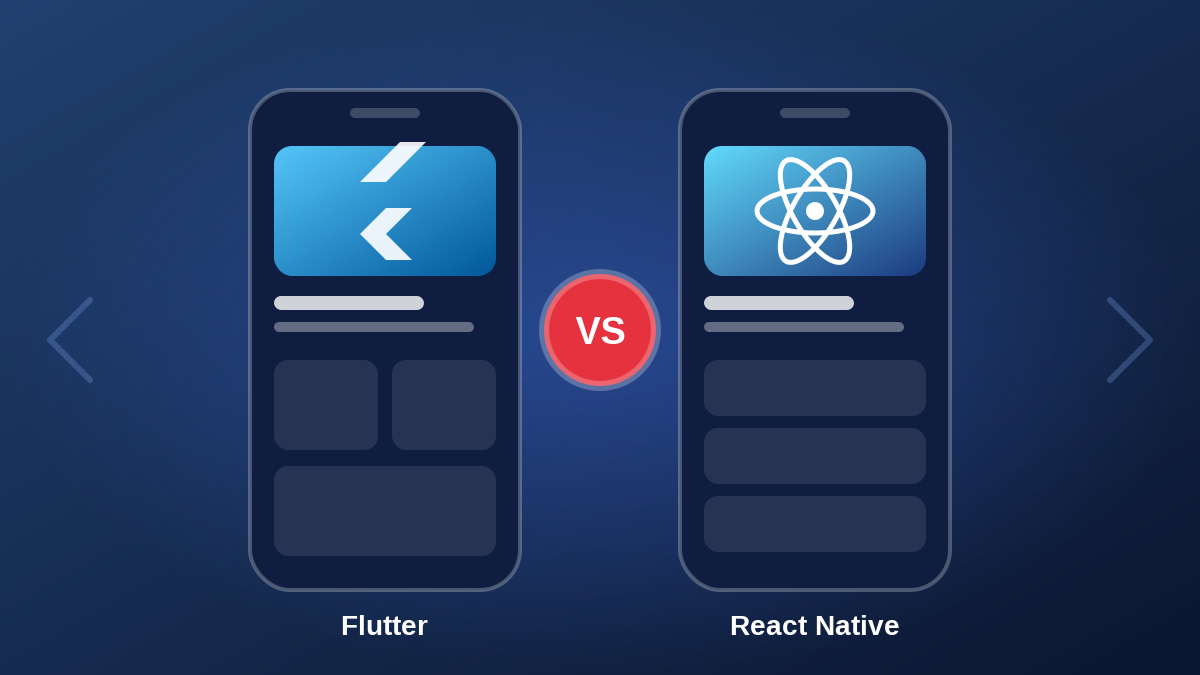
Building separate native apps for Android and iOS means two codebases, two teams and roughly double the cost. Cross-platform frameworks solve this by letting you write one app that runs on both. In 2026 the two leading choices are still Flutter (by Google) and React Native (by Meta).
Quick comparison
- Language: Flutter uses Dart; React Native uses JavaScript/TypeScript.
- UI approach: Flutter draws its own UI for pixel-perfect consistency; React Native maps to native platform components.
- Performance: both are fast enough for the vast majority of business apps when built well.
- Ecosystem: both have large communities and mature libraries for payments, maps, notifications and more.
When Flutter is the better choice
- You want a highly custom, branded design that looks identical on every device.
- Your app relies on smooth animations and rich visual interactions.
- You are starting fresh and do not have an existing React web team.
When React Native is the better choice
- You already have a React or Next.js website and want to share logic and developers.
- You prefer a more “native” look that follows each platform’s conventions.
- You want to tap into the huge JavaScript ecosystem.
What actually decides your app’s success
Users never ask which framework you used. They notice whether the app is fast, simple and reliable. That comes from:
- Clear scope: start with an MVP that solves one problem really well.
- Good UX design: prototype screens before writing code.
- Solid backend: secure APIs, authentication and payment integrations like Razorpay or UPI.
- Testing on real devices: including budget Android phones common in India.
- Ongoing updates: OS updates and user feedback require regular releases.
Performance in real life
Benchmarks online often compare frameworks in artificial tests. In practice, performance problems in business apps almost always come from heavy images, too many API calls, poorly managed state or unoptimised lists — not from Flutter or React Native themselves. A well-built app in either framework scrolls smoothly and starts quickly, even on mid-range Android phones.
Hiring and long-term maintenance
Think beyond launch day. Your app will need updates for new Android and iOS versions, new features and bug fixes for years. Consider:
- Talent availability: JavaScript developers are very common in India, which can make React Native teams easier to grow. Flutter talent has also grown rapidly.
- Shared web skills: with React Native, your web and app developers can often help each other.
- Documentation and code quality: these matter more than the framework when you change vendors or developers.
Our recommendation by app type
- E-commerce and booking apps: either works well; choose based on your existing tech stack.
- Highly branded or animated apps (fitness, education, games-like experiences): Flutter is often the smoother choice.
- Companion apps for an existing React web product: React Native for maximum code and knowledge sharing.
- Internal business apps (field sales, attendance, delivery): either — focus on offline support and simple UX.
Mistakes to avoid
- Building every feature before validating the core idea with real users.
- Skipping design and jumping straight into code.
- Testing only on expensive phones.
- Not planning for app store guidelines, privacy policies and permissions.
- Forgetting budget for maintenance after launch.
Cost and timeline
Cost depends on features, not the framework. A focused MVP can be built in a few weeks, while feature-rich apps take a few months. Sharing one codebase across Android and iOS usually makes cross-platform the most cost-effective option for startups and SMEs.
Not sure which way to go? Our mobile app development team in Lucknow will recommend the right stack after understanding your idea.